
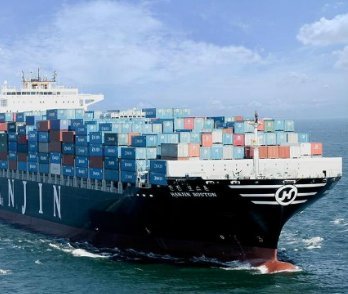
China Ship Net offers reliable sea freight solutions for shipments from China to the Federated States of Micronia via major Asia–Pacific and Australasian transit ports. Containers are usually routed through regional hubs such as Guam, Honolulu, or key ports in East Asia and Oceania, then transferred to feeder or island services calling at ports across Micronia. Supported by established partnerships with carriers such as COSCO, OOCL, APL, EMC, MSK, and HMM, we secure consistent container space and competitive FCL and LCL ocean freight rates. After vessel arrival, we coordinate efficient port handling and local distribution, ensuring a stable and predictable sea freight service into the Federated States of Micronia.

For urgent or high-value shipments, our air freight services provide fast and secure transportation from China to the Federated States of Micronia. China Ship Net designs optimal routing to airports serving Micronia, typically via regional hubs such as Guam, Honolulu, or other Pacific gateways, to achieve dependable transit times and streamlined customs processing. From origin pickup and export procedures in China to airline booking, import clearance in the Federated States of Micronia, and final delivery to your premises, we manage the entire air logistics chain with precision—ideal for electronics, medical supplies, high-end consumer goods, spare parts, and other time-sensitive cargo bound for Micronia.

Our door-to-door service offers a fully integrated logistics solution tailored to the multi-island geography of the Federated States of Micronia. China Ship Net manages every stage of your shipment—factory pickup in China, export documentation, sea or air transportation, transshipment handling at regional hubs, customs clearance in Micronia, and final-mile delivery to your specified address on each island. With a strong regional agent network and full shipment visibility, we provide a seamless, low-stress logistics experience from origin to final destination, even when multiple ocean or air connections are required.

China Ship Net provides full-container-load (FCL) shipping solutions on dependable routes from China to the Federated States of Micronia, generally via major Asia–Pacific or Australasian gateway ports with feeder services into the islands. FCL shipping is ideal for building materials, infrastructure and project cargo, hotel and resort supplies, household goods, retail merchandise, and other large-volume commercial shipments that require secure, predictable ocean transport. Containers are loaded in China, transshipped at regional hubs, and then delivered to Micronia, giving you dedicated space, better cargo protection, reduced handling, and more efficient customs and terminal operations.
For smaller shipments, our less-than-container-load (LCL) service offers flexibility and cost efficiency when moving cargo from China to the Federated States of Micronia. China Ship Net consolidates freight at major Chinese ports, loads it into shared containers routed via regional transit hubs, and manages all subsequent handling, customs procedures, and local delivery across the islands. This solution is well-suited for SMEs, mixed consignments, online sellers, and regular importers who do not yet require a full container but still expect dependable, professional logistics services into the Federated States of Micronia.
China Ship Net will provide most fuel efficient pickup service China
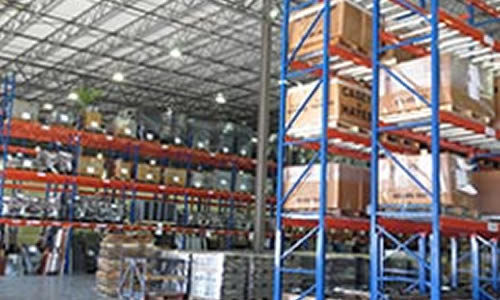
We provide free warehousing services for any of your goods.
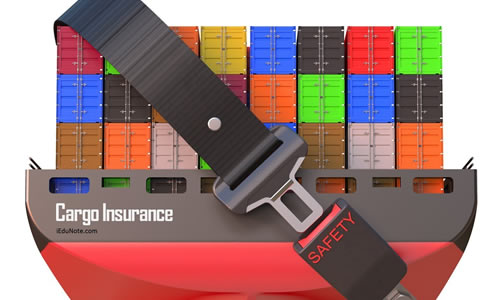
The cargo insurance protects your goods all the way to any Any FBA Warehouse

We handle all paperwork and other details for you.
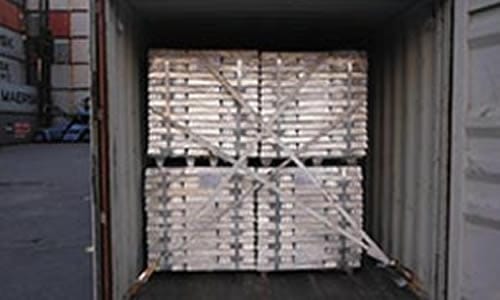
Ensure safe packaging and loading of goods in your suppliers' factory.
Transit times from China to Micronesia depend on several factors, including the selected shipping method (air or sea), the efficiency of the chosen route, carrier performance, and any customs delays. Seasonal weather conditions and shipment volume can also affect overall delivery times.
Cargo insurance protects against financial loss due to damage, theft, or loss during transit. Whether using air or sea freight, insurance provides coverage for the value of the goods and mitigates the risk of unforeseen events that could impact the shipment.
You can track your shipment using the tracking technology provided by your freight forwarder or carrier. They will offer tracking numbers and updates through online platforms or mobile apps, allowing you to monitor your shipment in real time.
Essential documents include a commercial invoice, packing list, bill of lading, and any required certificates (e.g., origin or safety certificates). Ensure all documents comply with Micronesian customs regulations to avoid delays.
Yes, importing goods into Micronesia may incur customs duties and taxes based on the type and value of the goods. It’s important to check with Micronesian customs authorities or your freight forwarder for specific duties and procedures.
To lower shipping costs, consider consolidating shipments to maximize container use, choose cost-effective shipping methods (like sea freight), and negotiate rates with your freight forwarder. Additionally, optimize packaging to reduce weight and volume.
Common challenges include navigating complex customs regulations, potential delays due to remote location, and higher shipping costs. It’s crucial to work with experienced freight forwarders who are familiar with Micronesian import procedures.
Proper preparation involves using durable packaging, labeling items correctly, and ensuring compliance with Micronesian import regulations. Fragile items should be securely padded, and documentation must be accurate and complete.
If your shipment is delayed, contact your freight forwarder or carrier immediately for updates. They can provide information on the cause of the delay and offer solutions. Tracking systems can also help monitor the status and expected delivery time.
Yes, you can purchase insurance for shipments to Micronesia. Cargo insurance provides protection against risks such as loss, damage, or theft during transit. Make sure the coverage matches the value and type of goods being shipped.
Code Quality is solid and maintainable, with clear structure and consistent naming conventions. The logic is well organized, making the codebase easy to read and extend. Documentation and comments support understanding, and error handling is generally reliable. A bit more modularization and test coverage would further strengthen robustness. Overall, the implementation is professional and dependable.
Features Availability is well designed and comprehensive, covering the core needs of users while remaining easy to access and understand. Most key functions are consistently available and perform reliably. The layout makes feature discovery intuitive, though a few advanced options could be surfaced more clearly. Overall, availability and usability are strong and dependable.
Customer Support is responsive, professional, and solution-oriented. The team communicates clearly, follows up promptly, and shows strong knowledge of the product and processes. Most issues are resolved within a reasonable timeframe, and support channels are easy to reach. Service quality is consistent, though faster response during peak hours would further improve the experience. Overall, support is reliable and helpful.